Support us with food donations
Regular donations
Tinned and dried long life foods
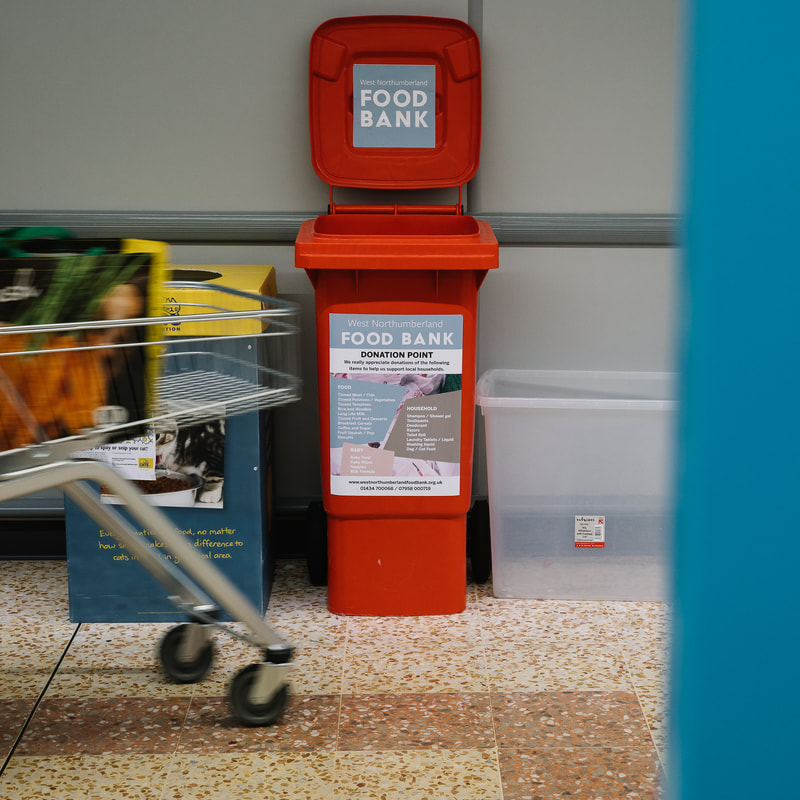
Donating food or household items is easy and we have collection points in main supermarkets in Prudhoe, Hexham, Haltwhistle, Corbridge, Haydon Bridge, Bellingham and Allendale, as well as smaller convenience stores and churches. Ask your local church if they collect on behalf of us. We dispatch over 150 food bags every week which equates to at least 150 of each of the food items listed below being given away every week.
Donating food or household items is easy and we have collection points in main supermarkets in Prudhoe, Hexham, Haltwhistle, Corbridge, Haydon Bridge, Bellingham and Allendale, as well as smaller convenience stores and churches. Ask your local church if they collect on behalf of us. We dispatch over 150 food bags every week which equates to at least 150 of each of the food items listed below being given away every week.
|
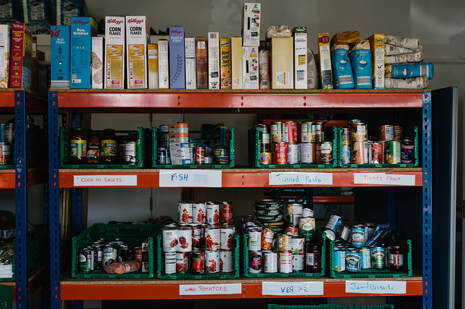
You can help by donating any of the following food items at your local donation point: We are short of supplies in all areas. Any donation greatly appreciated. RED items are particularly needed.
|
|
We also welcome donations of any of the following household and sanitary items:
Dog or Cat food
|
|
Local Food bank collection points
|
Waitrose Hexham
Lidl Hexham
CO-OP Haydon Bridge
CO-OP Bellingham
Slaley community shop
Wark Post Office
|
Tesco Hexham
CO-OP Allendale
CO-OP Corbridge
Sainsbury Haltwhistle
Wylam Pharmacy
|
CO-OP Hexham
CO-OP Prudhoe
Bardon Mill Village shop
Wylam Spar
|
Many churches throughout the area also support us with regular collections,
Ask at yours if they have a collection point
- St Andrew's Corbridge
- Hexham Abbey
- St Mary's Hexham
- Acomb Methodist Church
- St Peter's Humshaugh
- St Mary's Ovingham
Ask at yours if they have a collection point
Other donations
Details of how to make cash donations can be found here.
West Northumberland Foodbank is a Charitable Incorporated Organisation (CIO)
The objects of the CIO are the prevention or relief of poverty in West Northumberland in particular but not exclusively, by providing emergency food supplies and related provisions to individuals in need, and to charities or other organisations working to prevent or relieve poverty.
The objects of the CIO are the prevention or relief of poverty in West Northumberland in particular but not exclusively, by providing emergency food supplies and related provisions to individuals in need, and to charities or other organisations working to prevent or relieve poverty.